In the world of furniture care, misconceptions run rampant, especially when it comes to maintaining and repairing upholstery and wood pieces. Unfortunately, many of these beliefs stem from unverified sources on the internet. This article presents a more accurate understanding of how to care for your furniture by clarifying some of the most prevalent myths, from the false promise of upholstery repair to harmful home remedies.
The Illusion of Upholstery Repair
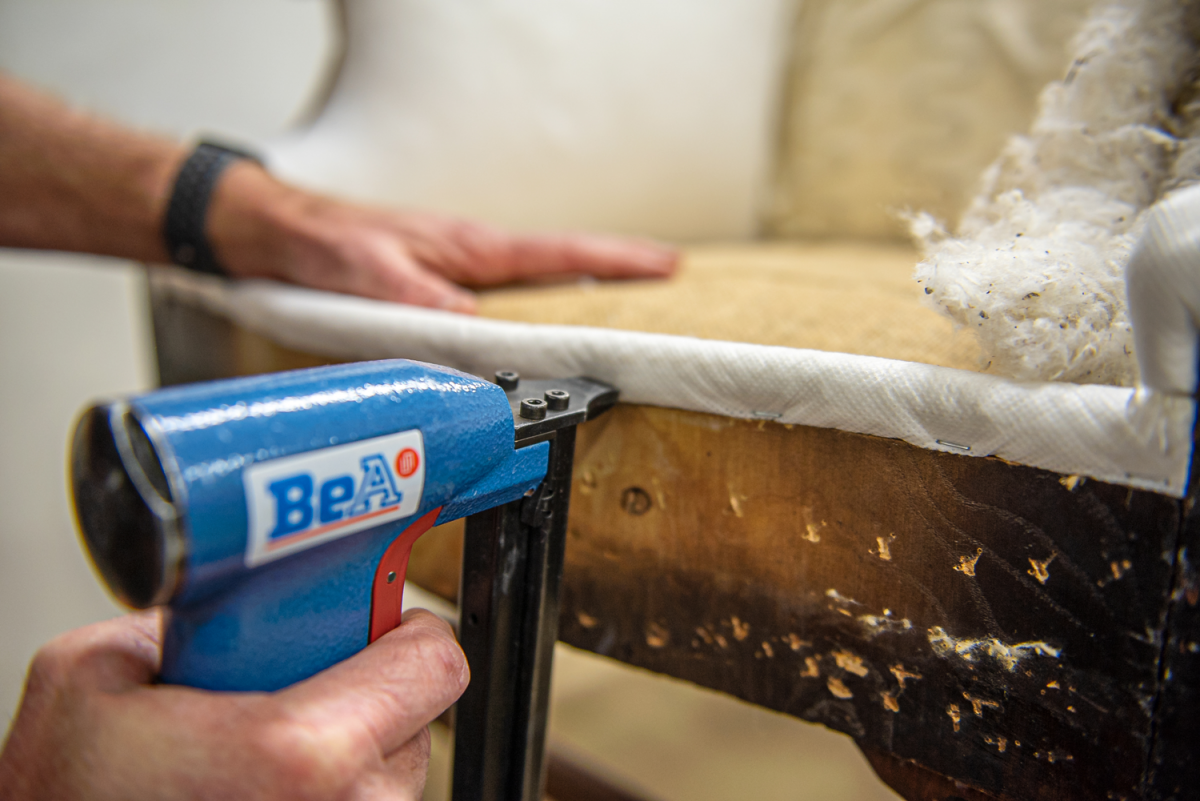
Perhaps the biggest misunderstanding is the notion that upholstery can be repaired. In reality, upholstery cannot be effectively restored once it has reached a certain point of wear and tear. The fibers and structures that make up upholstery deteriorate over time, losing their strength and aesthetic appeal. While you might see furniture shops offering upholstery repair near you, any attempt to fix damaged fabric typically leads to further complications and a less-than-ideal aesthetic
The bottom line is that when upholstery shows signs of damage—be it tears, fraying, or discoloration—replacement is the only effective solution.
Misguided Home Remedies
The internet is filled with DIY remedies that promise to clean or fix furniture using everyday items. However, many of these suggestions are not only ineffective but can also cause irreparable damage.
Mayonnaise and Other Common Kitchen Items
One of the most popular remedies suggested online involves using mayonnaise to tackle stains or restore sheen to wood furniture finishes. While mayonnaise may seem harmless, the oils found in this condiment can actually penetrate wood, attracting dirt and leading to dark spots over time. Plus, if you are using mayo on the wood section of an upholstered piece, some may get onto the fabric, leaving an oil stain. Instead of enhancing your furniture, mayonnaise can create more work and cost in the long run.
Hot Water Isn’t Always the Answer
While hot water can effectively remove soils and stains from most synthetic fabrics, it’s not a one-size-fits-all solution that the internet may lead you to believe. For synthetic fabric, using hot water may lead to color bleeding and fabric distortion. To avoid damaging these delicate materials, opt for lukewarm water instead. This will help you clean effectively without risking the integrity and appearance of your upholstery. Always check fabric care labels for the best results.
Hot water can also be detrimental to finishes on wood furniture. It may cause the wood to swell, warp, or lose its sheen, resulting in an uneven appearance. Additionally, the heat can weaken adhesives used in joints, potentially leading to structural issues over time. When cleaning and caring for wood furniture, it’s best to use a damp cloth with cool or lukewarm water.
Toothpaste is a Double-Edged Sword
Another internet-fueled trend is the use of toothpaste to clean both upholstery and wood furniture; even sources like Better Homes & Gardens have pushed this myth.
Many people believe that toothpaste can provide a whitening effect akin to its use on teeth. However, the reality is that toothpaste often contains abrasives that can be detrimental to upholstery fibers and the finish on wood surfaces. While it may momentarily clean a spot, the risk of additional damage like scratches and frayed fabric makes this method more problematic than beneficial.
Acid Cleaners and Their Hidden Dangers
Acidic cleaners, such as orange oil, can be detrimental to wood furniture as well. While they might emit a nice aroma, their high pH can weaken glue around joints, compromising furniture stability. Additionally, the acidity can strip natural oils from the wood, leading to dryness and fading. It’s crucial to use gentle, pH-neutral products to maintain the integrity and appearance of your wooden pieces.
A product like Guardsman’s Wood Cleaner and Polish is the only product we recommend anyone use on wood furniture. Other options available tend to leave behind a waxy finish that can actually harm wood over time and can only be removed by refinishing the wood.
You Need More than a Needle & Thread to Fix Seams
We’ve already talked about the myth of upholstery repair, but many still believe they can tackle smaller repairs like split seams thanks to the many online guides. However, ripped seams can indicate the upholstery has also experienced a lot of wear and tear and needs to be replaced. This is particularly true if the fabric type is delicate, the piece has been heavily used, or the rip is extensive. While basic sewing might provide a temporary fix, it can compromise the fabric’s integrity and appearance in the long run.
Embrace Quality Craftsmanship with Ackerman & Sons
At Ackerman & Sons, we are proud to be a fifth-generation furniture workshop, carrying on a legacy of quality craftsmanship. Over the years, we’ve encountered numerous pitfalls associated with incorrect internet tips for upholstery repair and wood furniture refinishing. When it comes to caring for your quality, cherished furniture, our time-tested techniques are far superior to the latest internet fads. Our experience has taught us the value of expert knowledge in preserving and restoring furniture to its original beauty.
If you’re considering a professional touch that’s backed by a rich heritage of furniture services, reach out to us for a ballpark estimate.