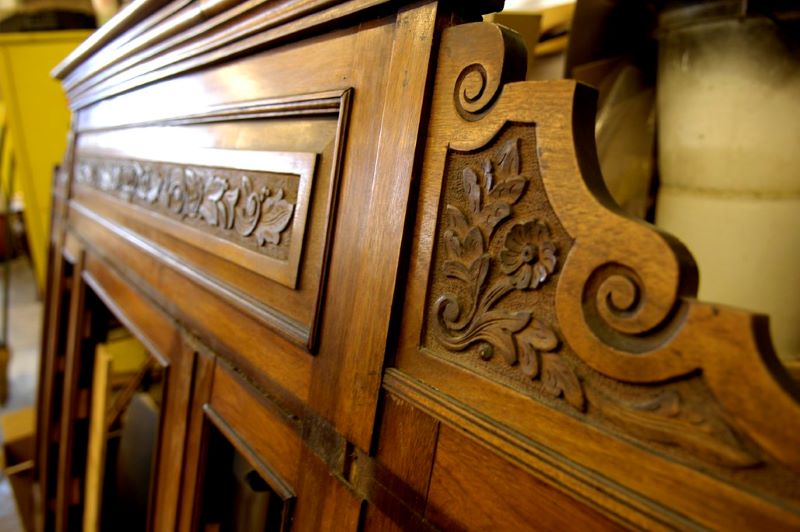
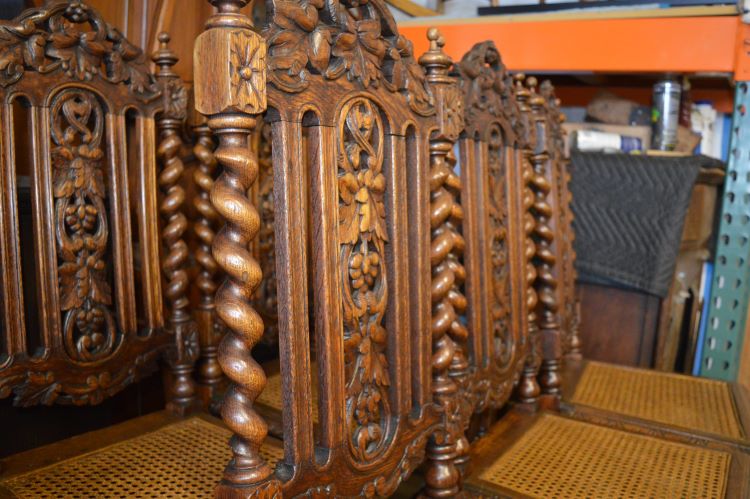
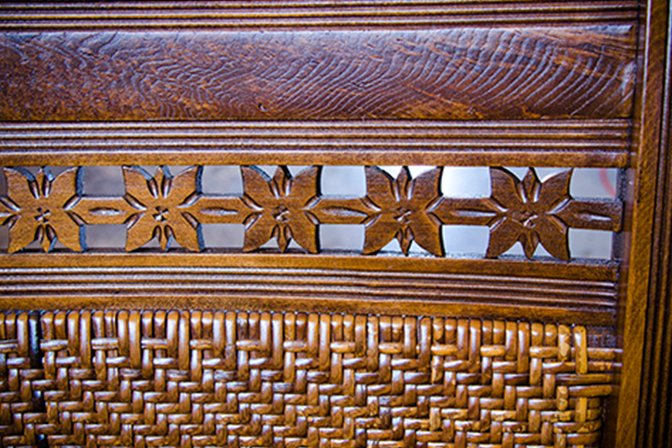
When exploring antique shops, estate sales, and consignment stores, or if you inherited family heirlooms, it’s crucial to identify the hallmarks of quality craftsmanship in the furniture you admire. Evaluating the condition and features of potential purchases can help determine whether investing in services like restoration, repair, or refinishing are worthwhile. Recognizing quality indicators—such as joinery techniques, material quality, and attention to detail in finishes—will ensure your furniture remains functional and visually striking for years to come. As expert furniture restorers near you, we’ll provide insights to support your decision-making process when you encounter captivating pieces.
Joinery Techniques: The Backbone of Furniture Design
Joinery refers to how furniture pieces are constructed and joined together. High-quality furniture typically features advanced joinery techniques that enhance both durability and aesthetics. The most common types of joinery include:
Mortise and Tenon
This traditional method involves inserting a tenon (a projection from one piece) into a mortise (a corresponding hole in another piece). It’s a robust and stable joint that ensures longevity and strength, often used in tables and chairs.
Dovetail Joint
Recognized for their interlocking design, dovetail joints are commonly found in drawers. They prevent the drawer from pulling apart and ensure it remains sturdy over time, showcasing the craftsmanship involved.
Biscuit Joints
These joints use a small, oval-shaped piece of wood (the biscuit) to connect two pieces. While not quite as robust as mortise and tenon joints, they facilitate alignment and enhance the furniture’s structural integrity.
When considering restoration, identifying these joinery techniques can lead you to decide whether a piece is worth restoring or repairing. Poor joinery, such as staples or nails, typically indicates a lower-quality piece that is more prone to wear and tear.
Material Quality: The Key to Longevity
The materials used in furniture construction are crucial indicators of quality. Here are some factors to consider:
Solid Wood vs. Engineered Wood
Solid wood is a testament to craftsmanship, as it provides durability and a unique aesthetic. Engineered wood, like particleboard or MDF, while often more affordable, may not hold up as well over time. It also often can’t be repaired or refinished.
Veneer Quality
High-quality veneers can up the visual appeal of a piece while still maintaining the strength of solid wood underneath. Look for matching grains and a close fit at the seams. Poor veneer application can lead to bubbling and peeling, which may be costly to repair or replace.
Upholstery and Fabrics
Quality upholstery can significantly impact the comfort and longevity of furniture. Professional-grade upholstery fabrics come in a wide array of styles, composition, durability, and more to meet most tastes, budgets, and uses. When contemplating restoration, make sure the upholstery is not only visually appealing but also of superior quality. Additionally, the choice of foam plays a crucial role. Most manufacturers use low-quality foam that degrades within a few years. Premium foam can greatly enhance the long-term look and comfort of a piece.
By paying attention to the materials used in furniture, you can make informed decisions about repair or restoration needs, ensuring the piece serves you well for years to come.
Attention to Detail: The Finishing Touch
The final aspect of quality craftsmanship lies in the attention to detail, especially in finishes. A meticulous finish can elevate a piece of furniture from ordinary to extraordinary. Key elements to examine include:
Surface Finishes
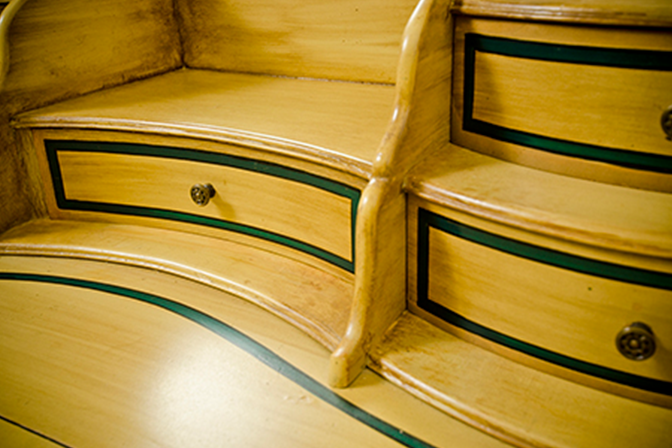
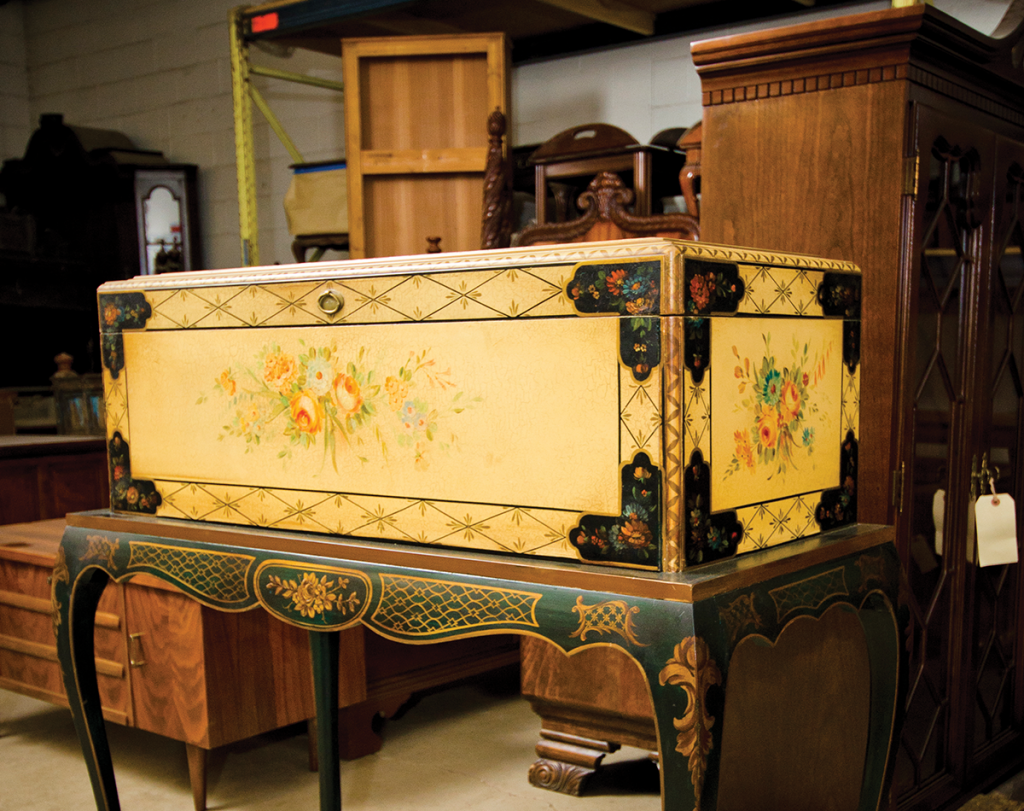
Check for coatings that protect the wood while improving its natural beauty. High-quality furniture often features hand-rubbed finishes, such as oils or lacquers, which allow the wood grain to shine through without obscuring its character. Poorly applied finishes can cause peeling, chipping, or dullness, requiring refinishing sooner than anticipated.
Hardware Selection
Functional and attractive hardware (handles, knobs, hinges) can make or break a piece. Solid, well-fitted hardware not only increases usability but also contributes to the overall design. Custom or antique hardware, which often aligns with the piece’s era, adds a creative flair and can be a reason to consult expert furniture restorers near you for advice.
Clean Lines and Symmetry
Meticulously crafted furniture typically exhibits even symmetry and clean lines. These elements emphasize the overall visual appeal and indicate skilled craftsmanship. Furniture requiring restoration that displays irregularities may need more than cosmetic work to restore its original beauty and functionality.
Ackerman & Sons: Premier Furniture Restorers Near You
When searching for furniture services, look no further than Ackerman & Sons. As a trusted name in the Denver and Littleton areas, we embody excellence and reliability, ensuring your valuable furniture receives the utmost care. Our fifth-generation, family-run business combines tradition with personalized service to meet your unique restoration needs. From upholstery services to furniture repair and restoration near you, our commitment to quality craftsmanship will breathe new life into your beloved pieces.
Get a ballpark estimate today. With Ackerman & Sons, you’ll experience the difference that a dedicated and passionate team can make in furniture restoration.