
If you’re looking to rejuvenate an old cane chair or simply want to understand the intricate aspects of cane materials used in furniture, you’re in the right place. Cane furniture has a distinct charm, combining elegance and comfort through the use of natural materials. However, cane is not just a decorative element; it’s a unique material that requires a nuanced understanding, especially when it comes to cane chair repair and maintenance. In this blog, we’ll take a closer look at the various types of cane and provide insights into the repair process.
The Beauty of Natural Cane
Natural cane is derived from the rattan plant, a type of climbing palm. The process of harvesting cane is meticulous and rooted in tradition, ensuring that the final product maintains its durability while offering an aesthetically pleasing finish for furniture. And the warmth and organic textures of cane lend themselves beautifully to a range of designs, from rustic farmhouse styles to modern minimalist homes.
Since natural cane is an organic material, it can be susceptible to damage from environmental factors such as moisture, sunlight, and daily wear. Understanding the different types of cane will equip you with the knowledge needed to care for your pieces effectively.
A Closer Look at the Types of Cane Used in Furniture
Flat Cane
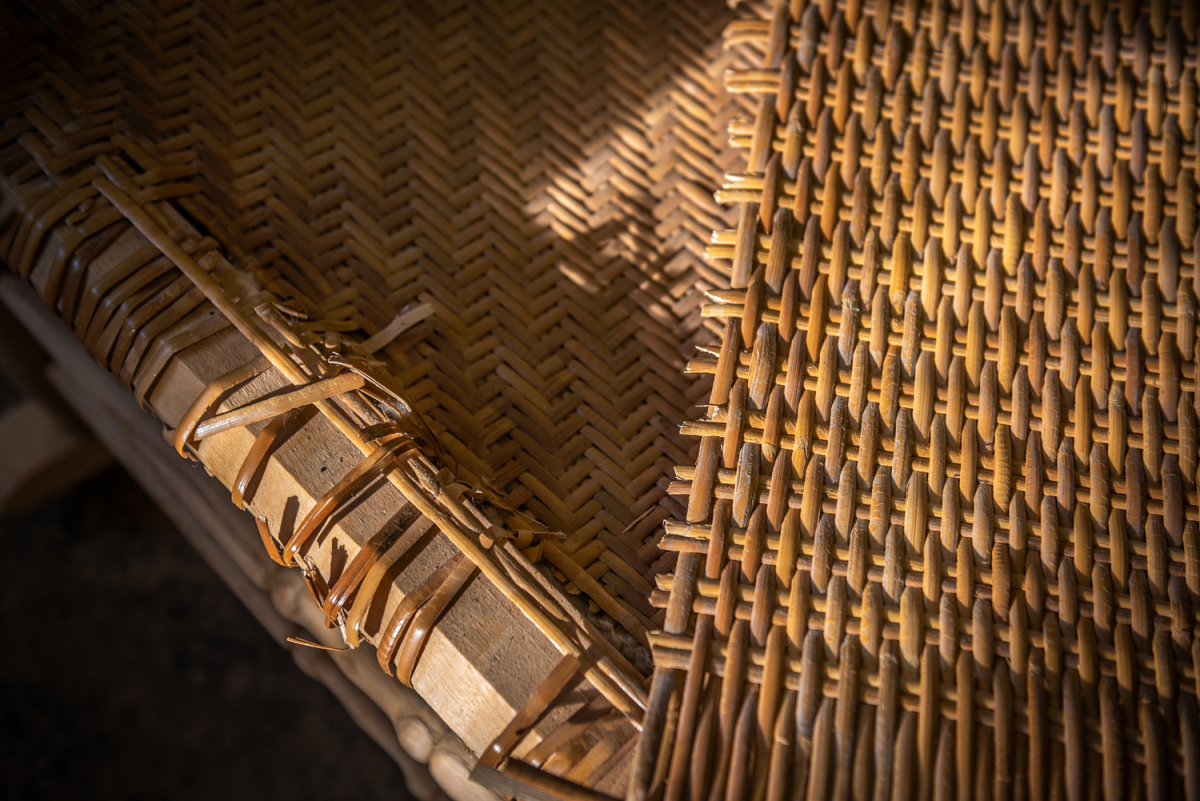
Flat cane is one of the most common types utilized in chair weaving. It is stripped from the rattan vine, creating a wide ribbon-like material. The process of making flat cane involves harvesting mature rattan, which is then processed by boiling to soften the fibers, making them easier to strip. Once harvested, the pruned sections are split lengthwise into strips. These strips can then be dyed to achieve various colors, providing aesthetic versatility for your furniture. Plus, flat cane not only offers a classic look but also lends a breathable quality to your seating.
The weaving process of flat cane can be intricate, often involving a variety of patterns including herringbone or diamond designs. Repairs to flat cane typically involve removing the damaged cane and weaving new cane which requires expertise and careful attention to detail.
Cane Webbing
Cane webbing can be categorized as a more modern take on traditional cane chairs. This type is made by weaving together strips of flat cane in a grid pattern, creating a sturdy and stable surface. Cane webbing often offers a uniform look, making it a popular choice for new furniture designs.
Skilled craftsmen can seamlessly perform cane seat replacement by inserting a new piece of webbing without compromising the overall aesthetic, retaining the modern touch while also respecting the original appeal.
Caring for Cane Chairs
Cane furniture requires unique care, as it is organic and not as resilient as synthetic materials. Here are some essential maintenance tips:
- Humidity Control: Keep cane chairs in controlled environments. Excessive moisture can lead to mold and mildew, while extreme dryness can cause the cane to become brittle and split.
- Regular Cleaning: Use a soft, dry cloth to dust off chairs regularly to prevent grime buildup. For deeper cleaning, a damp cloth lightly moistened with water, or a gentle soap solution can be used—avoid soaking the cane.
- Avoid Direct Sunlight: To prevent fading and drying out, place cane chairs where they won’t receive relentless sunlight.
Ackerman & Sons: The Go-To for Expert Can Chair Repair Services
Cane chair repair can seem daunting without the right knowledge and expertise. The various types of cane available each require attentive care and specific repair techniques to maintain their beauty and functionality. When it comes to preserving your beloved cane furniture, turn to the specialists at Ackerman & Sons. As a 5th generation workshop with a deep appreciation for quality craftsmanship, we offer expert evaluations and repairs tailored to your cane furniture needs.
When you’re in need of cane chair repair near you, contact us today for a ballpark estimate and let us help you restore the natural beauty of your cane chairs!